
Container houses as mobile clinics, schools, and community centers
Faced with the challenges of global urbanization, climate change, and resource inequality, a flexible, rapid, and sustainable solution is emerging: mobile clinics, emergency schools, and community centers converted from shipping containers. This is not just an innovation in reuse, but represents a fundamental transformation in the way social infrastructure is delivered.
Why Choose Container Houses?
Traditional infrastructure often faces three major pain points: long development cycles, high costs, and poor flexibility. The rise of container modules echoes three major trends:
Agile Response to Needs: In the aftermath of crises (disasters, conflicts, pandemics), time is of the essence.
Cost Accessibility: Compared to traditional buildings, it can save 30%-50% of upfront costs and time.
Sustainability-Driven: Each converted container represents a recycling of resources, significantly reducing the carbon footprint.
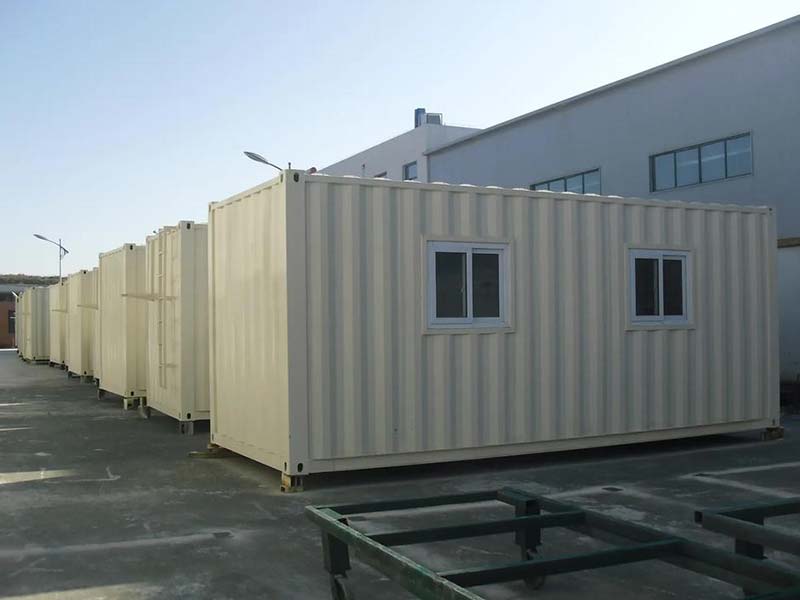
Three Major Application Scenarios
1. Mobile Clinics
In remote areas, refugee camps, or disaster sites, fixed hospitals are out of reach.
Core Advantages:
- Rapid Deployment: Prefabricated modules can form a fully functional clinic within days, including consultation rooms, a pharmacy, and basic laboratory areas.
- Standardization and Safety: Strictly adheres to medical cleanliness standards, equipped with independent water, electricity, and wastewater treatment systems.
- Iterability: Expands as needed, forming outpatient, surgical, and inpatient clusters.
Practice:
- In parts of Africa, container clinics equipped with solar panels provide mobile medical services to hundreds of villages.
- During the pandemic, many countries used them as rapidly established community testing and isolation units.
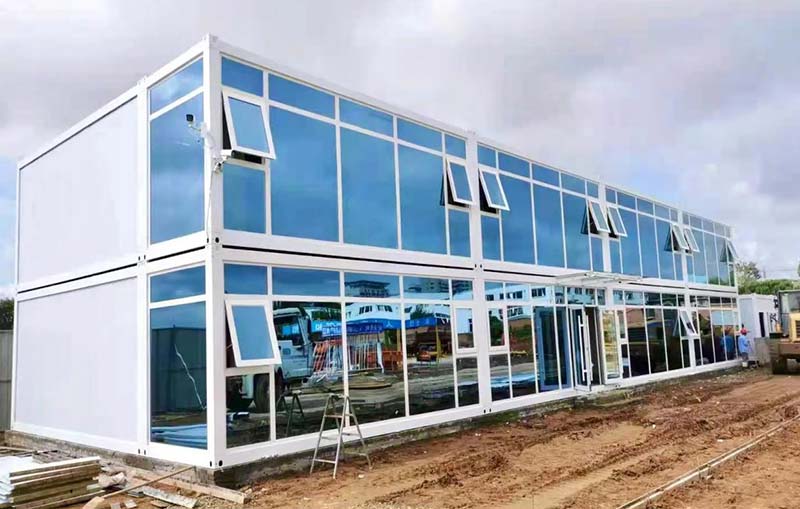
2. Emergency and Community Schools
The global education gap is not only lacking in teachers, but also in safe and usable learning spaces.
Core Advantages:
- Climate Resistance: Utilizes insulated walls (such as PU sandwich panels) to provide a comfortable environment in extreme heat or cold.
- Full Functionality: Can integrate teaching areas, libraries, computer rooms, and sanitation facilities.
- Community Anchor: The school itself becomes a landmark and stabilizer for the community.
Practice:
- In war-torn regions, container schools were among the first community facilities rebuilt.
- In rapidly developing suburbs, they provided an immediate solution to the shortage of school places.
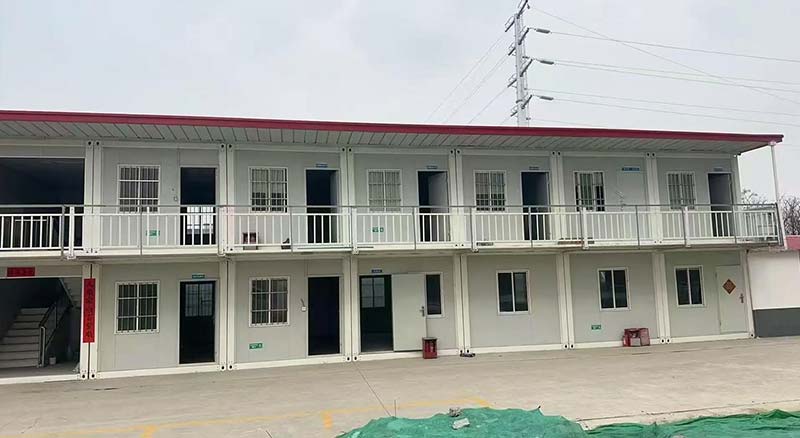
3. Multifunctional Community Centers
Healthy communities need spaces for gathering, learning, and mutual support.
Core Advantages:
- Highly Customizable: Can be flexibly designed as a training center, maternal and infant care station, micromarket, or senior activity center.
- Promoting a Sense of Belonging: A rapidly constructed physical space can greatly boost community morale and cohesion.
- Commercial and Social Integration: Can simultaneously house convenient commercial and public services, achieving self-sufficiency.
Practice:
- In European immigrant communities, it has become the first stop for new immigrants to obtain information, learn languages, and integrate into society.
- In hurricane-prone archipelagos, it has been designed as a disaster command center and a public activity space during peacetime.
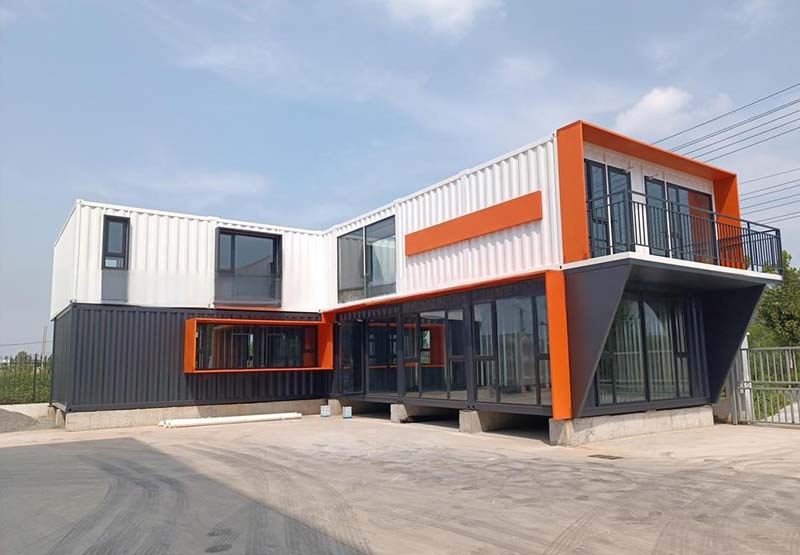
Modular container architecture is evolving from a temporary solution into a durable, dignified, and intelligent social infrastructure. With the integration of digitalization and prefabrication technologies, future smart container clinics may be equipped with telemedicine systems, and container schools may be directly connected to global educational resource networks.
What does your community need? Whether responding to sudden crises or filling long-term service gaps, modular container solutions can offer an agile, practical, and dignified path.

