
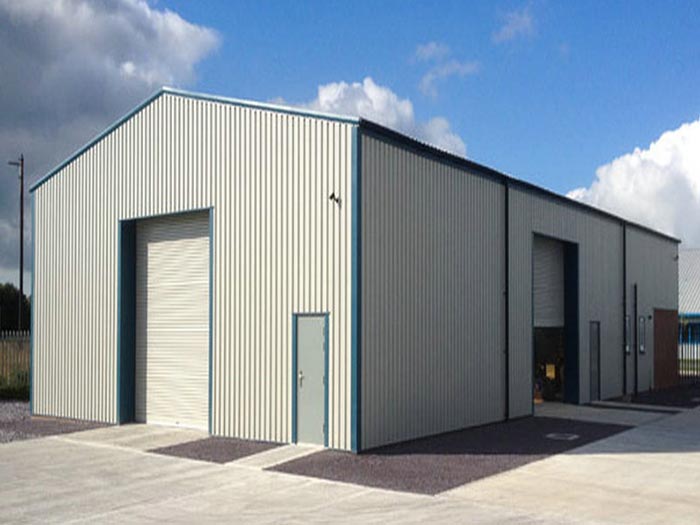
How to choose wall panels for steel structure warehouse?
Choosing the right wall panels for your steel warehouse is key to ensuring your warehouse is durable, safe, and cost-effective in the long term. No matter what climate you’re in, here are four key points to help you make an informed choice.
1. Understand the mainstream wall panel types
Common warehouse wall panels mainly include:
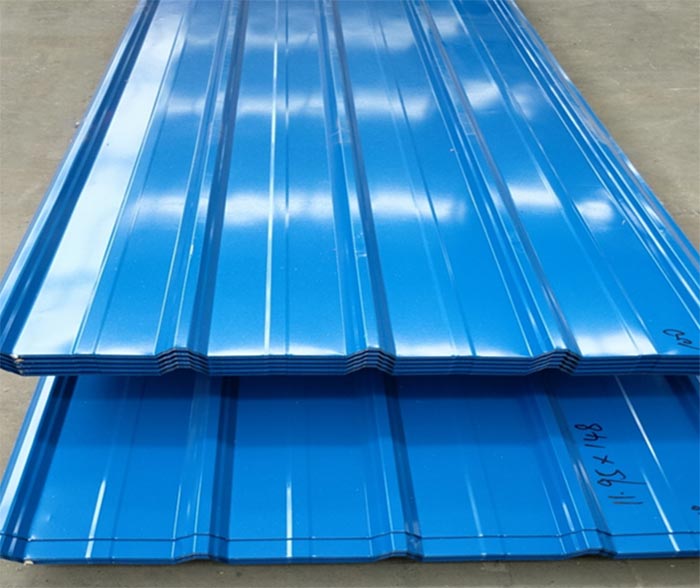
Single-layer color steel plate: economical, affordable and easy to install, but has weak thermal insulation performance and is suitable for ordinary warehousing that does not have high temperature control requirements.
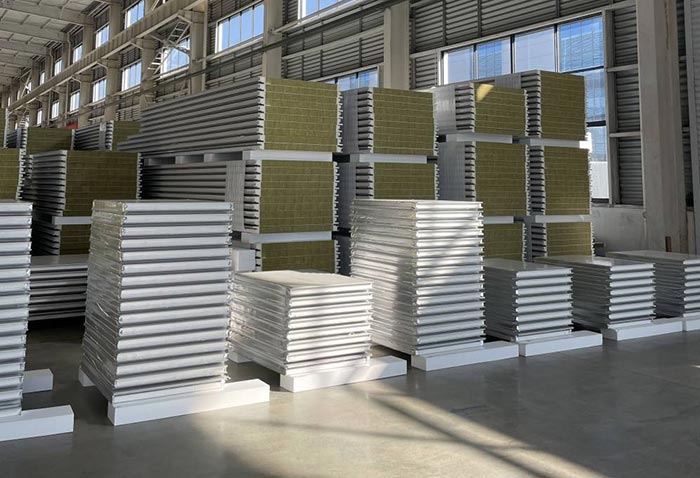
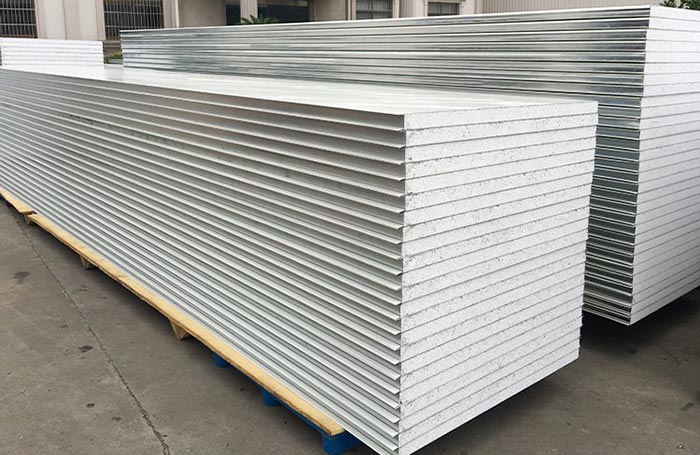
Sandwich panels: filled with rock wool, polyurethane and other materials in the middle, have good thermal insulation, sound insulation and fire protection properties, and are suitable for warehouses with temperature control or fire protection requirements.
Corrugated metal plate: high wind resistance and good drainage, often used in windy and rainy areas.
Composite board: combines the advantages of multiple materials and has balanced performance, but the cost is higher.
2. Focus on key performance indicators
Thermal insulation: Choose the thermal insulation coefficient based on the warehouse use and local climate. In low-temperature areas or when storing items sensitive to temperature and humidity, sandwich panels should be preferred.
Fire protection grade: Check the material’s fire protection certification (such as Class A non-combustible, Class B1 flame retardant), especially for chemical warehouses or high fire risk locations.
Corrosion resistance: Corrosion-resistant materials such as galvanized sheets and coated sheets should be used in coastal, high-humidity or industrial areas.
Strength and durability: Consider wind resistance, snow load resistance and mechanical impact resistance to ensure that the life of the wall panel matches the steel structure.
3. Balance costs with long-term benefits
- Single-layer boards with a lower initial cost may increase the overall cost in the long term due to high energy consumption or frequent maintenance.
- Sandwich panels or high-quality coated panels require a higher upfront investment, but can significantly reduce heating/cooling costs and reduce maintenance requirements.
- Consider local energy prices and climate conditions to estimate total ownership costs for 5-10 years.

4. Adapt to installation and maintenance conditions
- Lightweight wall panels reduce structural loads and simplify installation.
- Choose specifications that are easily available locally to reduce shipping damage and waiting time.
- Prioritize the use of materials with stain-resistant surfaces and easy-to-clean surfaces to reduce the difficulty of long-term maintenance.
5. Quick reference for different climates
Hot and dry areas: Use high-reflectivity coated panels to reduce heat absorption.
Rainy and humid areas: Pay attention to moisture-proof coating and drainage performance to avoid rust.
Cold and snowy areas: focus on thermal insulation performance and snow load resistance.
Strong wind areas: Ensure that the wall panels are firmly connected to the main structure, and give priority to wind pressure-resistant models.
Summary suggestions
When selecting steel structure warehouse wall panels, you should find the best balance between performance, cost and durability based on the warehouse use, local climate, budget and long-term operating plan. It is recommended to communicate with experienced suppliers or engineers to provide specific requirements and obtain customized solutions.
Good wall panels are not only a barrier, but also a long-term investment in warehouse efficiency and safety. Do you have a specific climate or usage scenario that you would like to explore further?