
What are the advantages of building warehouses with PU sandwich panels?
In today’s rapidly developing global industry, the market demand for efficient, durable, and sustainable warehouse spaces is increasing daily. Traditional construction methods are gradually being replaced by modern materials that offer faster construction speeds, lower costs, and superior performance. Among these, PU sandwich panels are becoming the preferred material for warehouse projects worldwide.
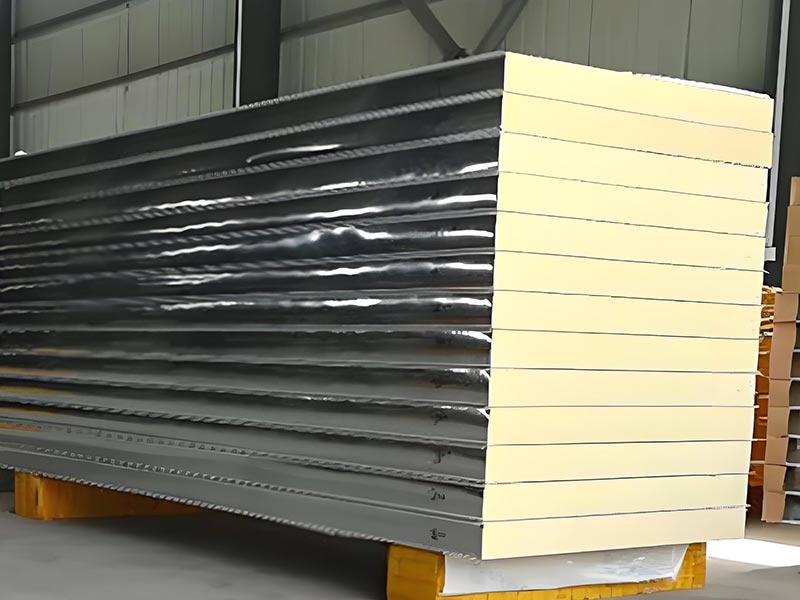
Advantages of PU Sandwich Panels
1. Superior Thermal Insulation and Energy Efficiency
PU sandwich panels are renowned for their excellent thermal resistance, thanks to the closed-cell structure of polyurethane foam. This means the warehouse can maintain a stable internal temperature with minimal energy loss. In today’s environment of rising energy costs and increasingly stringent environmental regulations, this translates into significant savings in heating and cooling costs, making your warehouse both environmentally friendly and economical.
2. Quick and Easy Installation
Time is money. PU sandwich panels are prefabricated, lightweight, and designed for rapid assembly. Compared to traditional methods, this reduces on-site labor and shortens construction time by 50-60%. For businesses looking to get up and running quickly, this speed advantage is a game-changer.
3. Lightweight and High-Strength Structural Characteristics
Despite its lightweight nature, PU sandwich panels offer high load-bearing capacity and excellent durability. Their high rigidity and resistance to deformation make them suitable for large-span warehouse structures without the need for excessive support frames. This not only reduces foundation costs but also provides greater design flexibility.
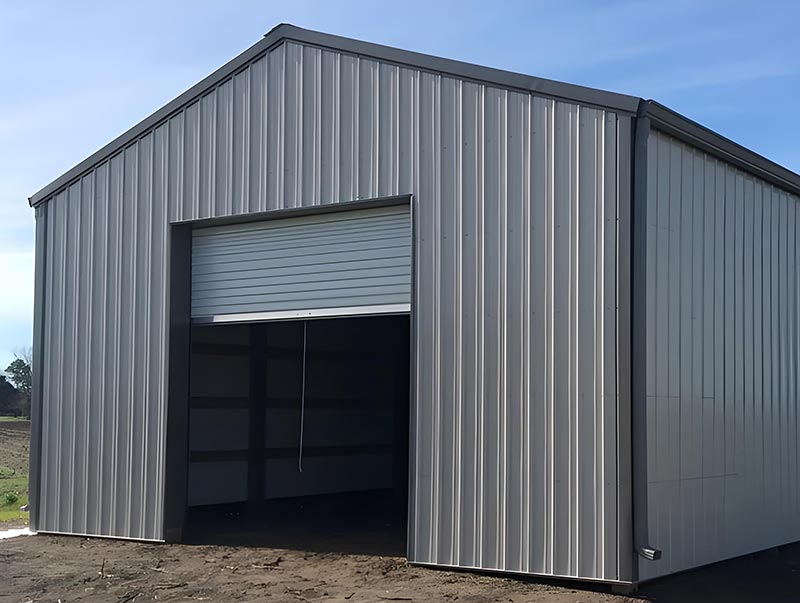
4. Fire Safety and Compliance
Modern PU sandwich panels can use flame-retardant core materials, meeting international safety standards such as EN, BS, and ASTM. When selected correctly, they provide excellent fire resistance, contributing to a safer warehouse environment, which is crucial for meeting insurance requirements and regulatory compliance.
5. Environmental Protection and Sustainability
With a focus on reducing carbon footprint, PU sandwich panels support green building goals. Their energy-saving properties reduce greenhouse gas emissions throughout the building’s life cycle. Many panels are also recyclable, and precise manufacturing processes minimize material waste.
6. Significant Long-Term Cost Benefits
While initial material costs may be competitive, their true value lies in life-cycle savings. Lower energy consumption, minimal maintenance requirements, and reduced repair costs combine to deliver a higher long-term return on investment.
Industry Outlook and Applications
The global trends of automation, omnichannel retail, and instant logistics demand that warehouses not only be spacious but also intelligent and efficient. PU sandwich panel warehouses are widely used in:
- Cold storage and temperature-controlled logistics centers
- E-commerce fulfillment centers
- Manufacturing and industrial plants
- Pharmaceutical and food-grade warehousing
Their flexible and diverse designs, offering a variety of thicknesses, colors, and surface finishes, can simultaneously meet functional and aesthetic needs.
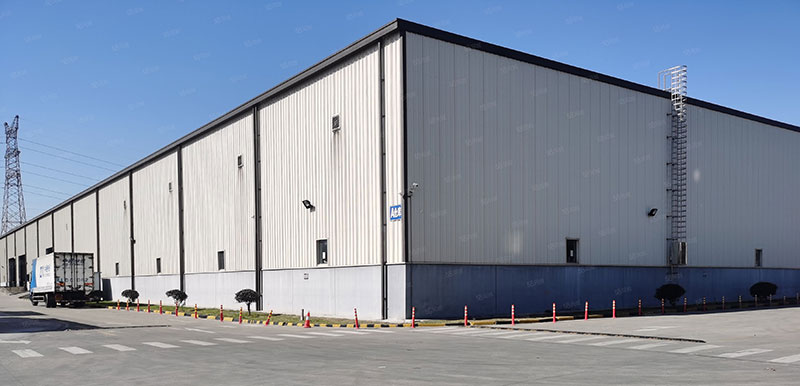
Conclusion
In a market where speed, sustainability, and cost-effectiveness determine competitiveness, PU sandwich panels offer a compelling solution for modern warehouse construction. Choosing this innovative material enables businesses to achieve faster project delivery, lower operating costs, and a future-proof asset that meets global standards.

