
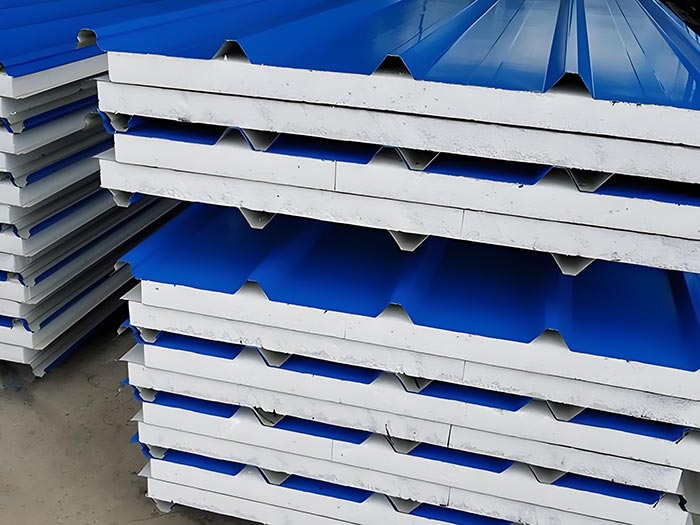
Energy-Saving EPS Insulated Roof Panels
| Place of Origin: | Zhengzhou,China |
|---|---|
| Brand Name: | RUIISTEEL |
| Core Material: | Expanded Polystyrene (EPS) |
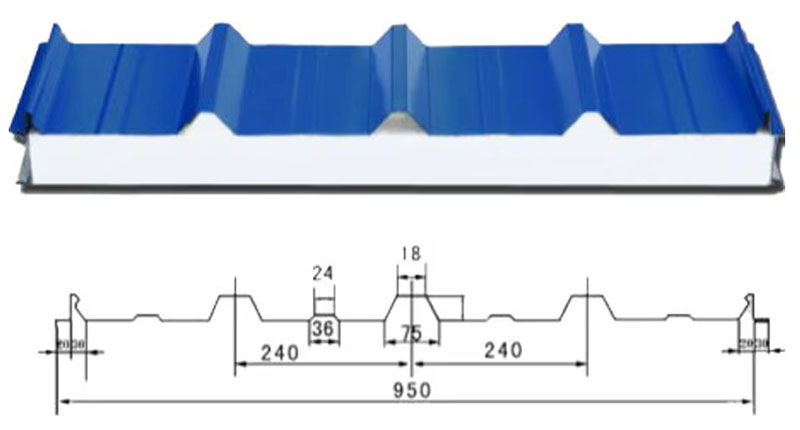
| Panel Thickness: | 50/75/100/150 mm |
| Effective Width: | 950 mm |
| Length of Panel: | ≤11.8 meters |
| Metal Sheet Thickness: | 0.2-0.8mm |
| Firepro of Grade: | B2 |
| Certification: | CE, ISO, GB, AISC, SGS, BV |
| Service Life: | Over 30 Years |
| Payment: | T/T, L/C |
Product Details
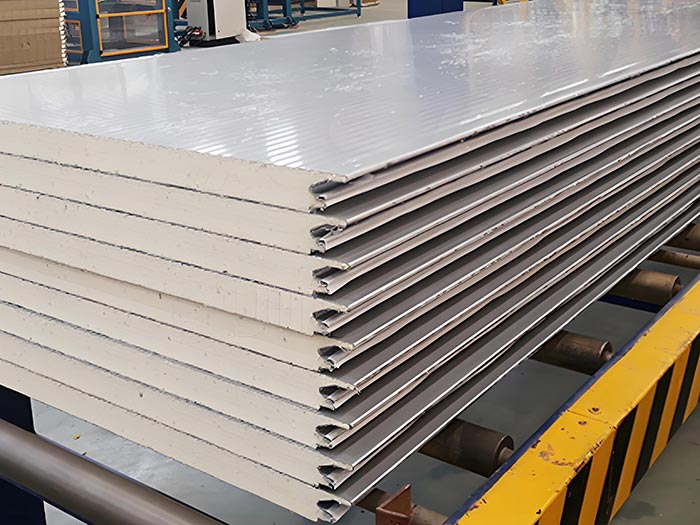
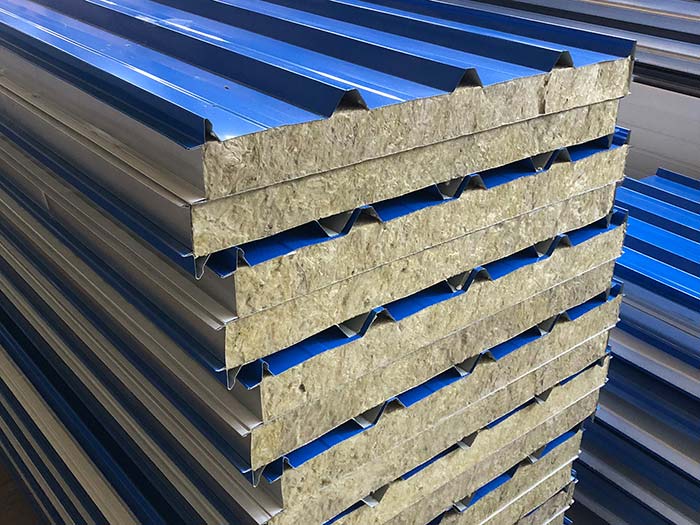
EPS insulated roof panels are lightweight, energy-saving roofing systems specifically designed for industrial plants, warehouses, cold storage facilities, and commercial buildings. The core material is high-density EPS foam with a closed-cell structure, low thermal conductivity, and excellent thermal insulation performance. It effectively blocks outdoor heat conduction, reducing building cooling and heating energy consumption and achieving long-term energy savings. The panels are laminated with high-quality color-coated steel sheets or aluminum-zinc coated steel sheets, which are corrosion-resistant, anti-aging, and possess good structural strength and waterproof performance, allowing direct application to the roof without the need for a separate waterproof layer.
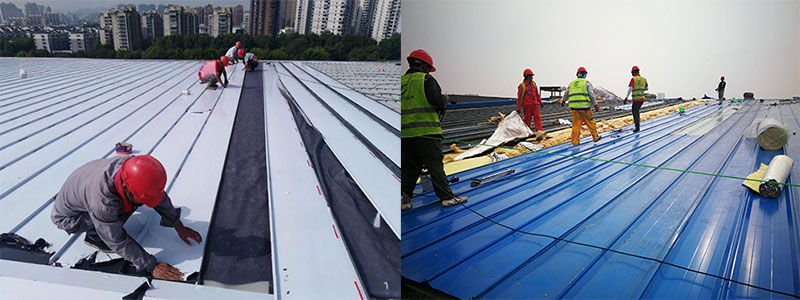
Energy-saving EPS insulated roof panels utilize overlapping tongue-and-groove or concealed interlocking designs, enabling quick installation and tight joints, effectively preventing rainwater leakage and thermal bridging. Single panels can be customized up to 12 meters or more, significantly reducing lateral overlaps and improving overall roof sealing. Modular production results in lightweight panels that are easy to transport by container over long distances and hoist on-site, facilitating rapid assembly with the steel structure.
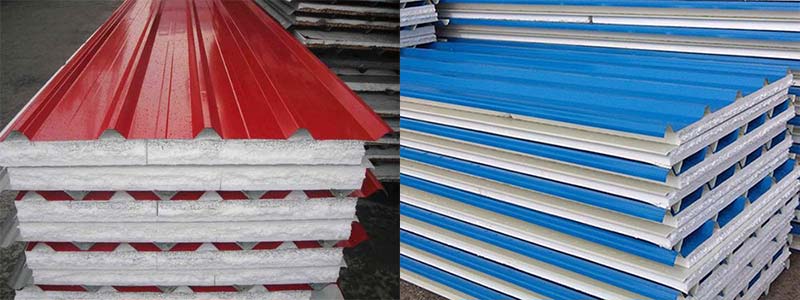
EPS insulated roofing panels are available in various thicknesses (50mm/75mm/100mm/150mm) to suit different climate conditions, from mild to extremely cold and hot regions. They are compatible with both flat and pitched roofs, and when combined with skylights, ventilators, and other components, they form a complete modern energy-efficient building envelope system. The products strictly adhere to international building energy efficiency and fire protection standards, comprehensively supporting clients in achieving green cost reduction and rapid delivery.
Product Parameters
Common specifications and technical parameters of eps insulated roof sandwich panels are as follows:
| Parameter | Typical Range / Value |
|---|---|
| Panel Thickness | 50mm – 150mm (common: 50, 75, 100, 120, 150mm) |
| Effective Width | 950mm or customize |
| Panel Length | ≤ 12.5m (customizable per project) |
| Steel Sheet Thickness | 0.2 – 0.8mm (color coated steel sheet / galvanized sheet) |
| Core Density | 18 – 22 kg/m³ (standard compliant) |
| Thermal Conductivity (λ) | 0.038 – 0.043 W/(m·K) |
| Thermal Transmittance (Uc) | 0.42 W/(m²·K) (for 80mm thickness) ~ 0.14 W/(m²·K) (for 250mm thickness) |
| Fire Performance Class | Class B2 (combustible) or flame-retardant treated up to Class B1 (difficult to ignite) |
| Peel Performance | Bonded area ≥ 85% of total interface |
| Adhesive Strength | ≥ 0.10 MPa (in compliance with GB/T 23932-2025) |
| Minimum Roof Slope | ≥ 4% (approx. 2.3°) |
| Service Temperature Range | -40°C to +90°C |
| Self Weight | approx. 8 – 13 kg/m² (including steel sheets and core) |
Product Advantages
EPS insulated roof sandwich panels have become the mainstream material for lightweight steel structure roofs due to the following core advantages:
- Ultra-lightweight: The weight of the panels is approximately 1/20 to 1/30 of that of a concrete roof, significantly reducing the load on the main steel structure and foundation costs.
- Thermal Insulation: The thermal conductivity of the EPS core material is 0.038–0.043 W/(m·K). Its excellent closed-cell structure effectively blocks heat transfer, resulting in significant energy savings.
- Multifunctional: The panels integrate load-bearing, insulation, waterproofing, and decoration, eliminating the need for secondary finishing and simplifying roof structure.
- Fast Construction: Modular design allows for dry on-site installation, eliminating wet work and reducing the construction period by over 40% compared to traditional cast-in-place roofs.
- Economical and Durable: Significantly cost-effective materials; the galvanized steel panels undergo anti-corrosion treatment, ensuring an overall service life of 15-20 years or more.
Main Applications
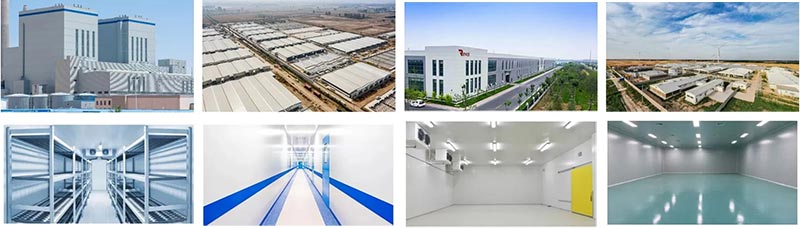
EPS insulated roof panels due to their lightweight, high strength, and excellent thermal insulation properties, are widely used in various building roofing systems:
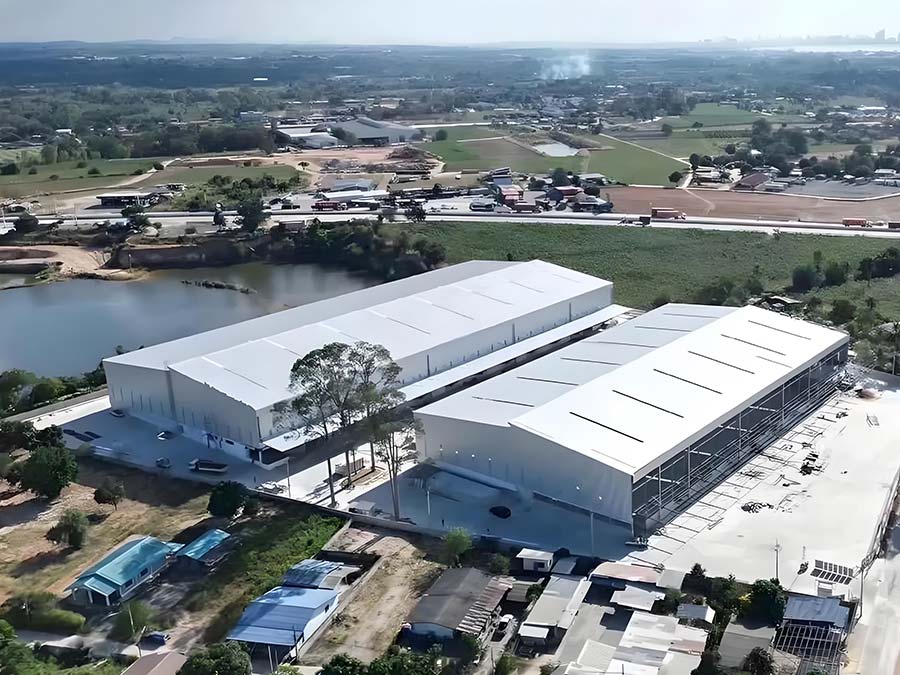
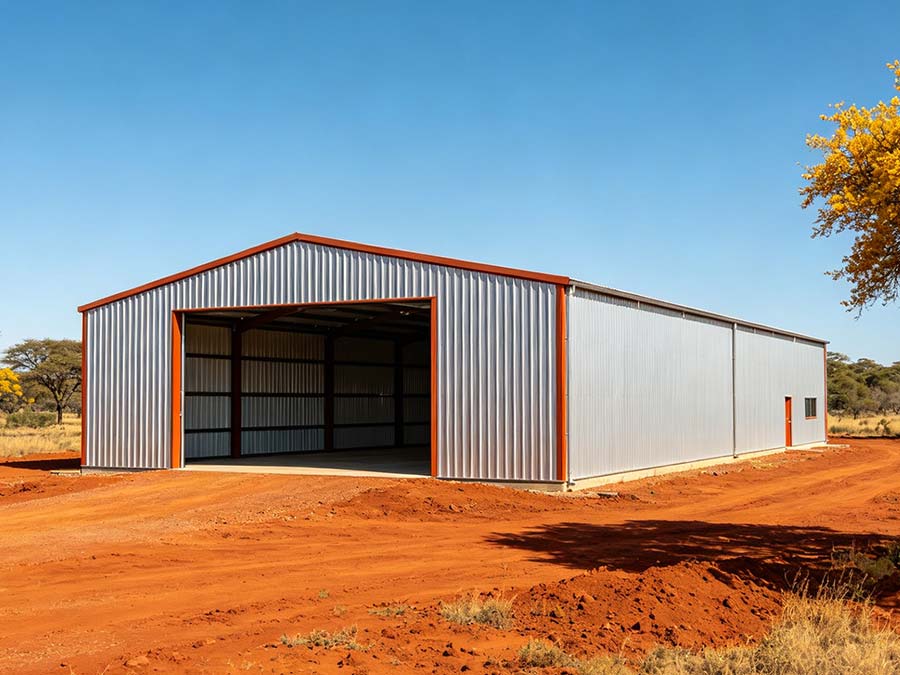
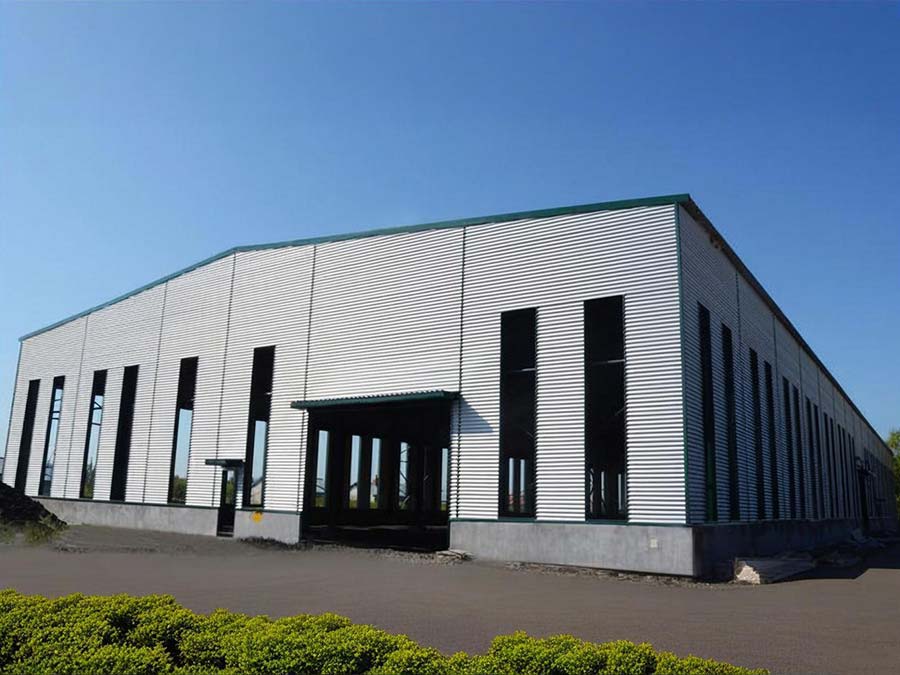
Industrial Buildings: Roofing panels for steel structure factories, processing workshops, logistics warehouses, car dealerships, and large exhibition halls.
Public Facilities: Roofing systems for large-span buildings such as stadiums, conference centers, theaters, and waiting rooms.
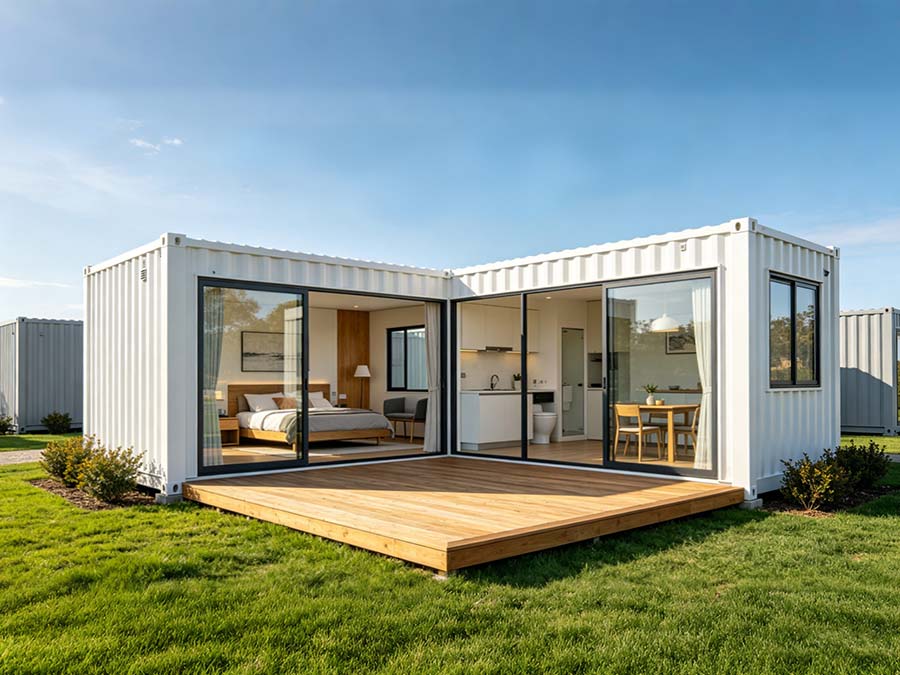
Temporary and Modular Buildings: Roofing cladding for prefabricated houses, modular houses, and container houses.
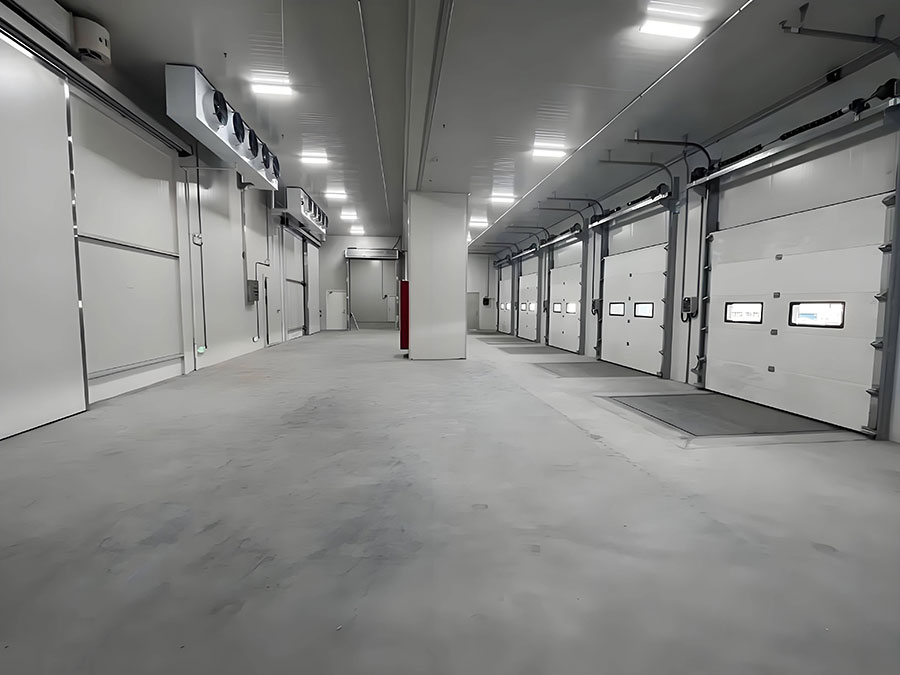
Cleanrooms and Special Purpose Buildings: Thermal insulation factories, cleanrooms, cold storage facilities, and other places with high requirements for thermal insulation performance.
Existing Roof Renovation: Covering existing purlins, suitable for the renovation and upgrading of old trapezoidal roofs.
Selection and Safety Tips
When selecting and applying eps sandwich roof panel, the following points should be noted:
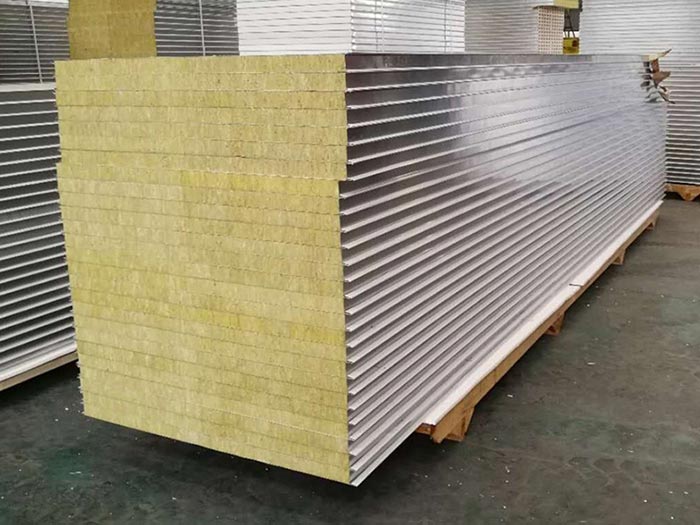
- Firstly, the combustion performance of polystyrene core material is usually B2 (combustible). It will burn rapidly and release a large amount of toxic smoke when exposed to an open flame, and should not be used in roofing systems of densely populated places (such as hospitals, schools, and shopping malls) or high-rise buildings. If Class A fire protection requirements are involved (such as in chemical workshops and clean areas for food processing), rock wool sandwich panels or composite panels with non-combustible core materials should be prioritized according to local fire safety regulations.
- Secondly, in accordance with the national standard GB/T 23932-2025, qualified products with a core material density ≥18kg/m³ and a metal panel thickness ≥0.5mm should be selected to ensure the thermal insulation performance, structural strength, and safety of the panels.
- Thirdly, a slope of ≥4% should be maintained during roof installation, and the joints between panels should be properly sealed to prevent core material aging and panel corrosion due to water accumulation or moisture intrusion. Especially in high-humidity climates, the quality of installation details directly affects the service life of the roof.
In conclusion, EPS insulated roof panels with their mature cost-effectiveness and lightweight, efficient installation characteristics, are an ideal choice for roofing systems in conventional industrial plants and storage facilities, and will continue to occupy an important market position in high-cost-performance projects.
We earn the long-term trust of global clients through unparalleled efficiency and relentless pursuit of quality excellence.
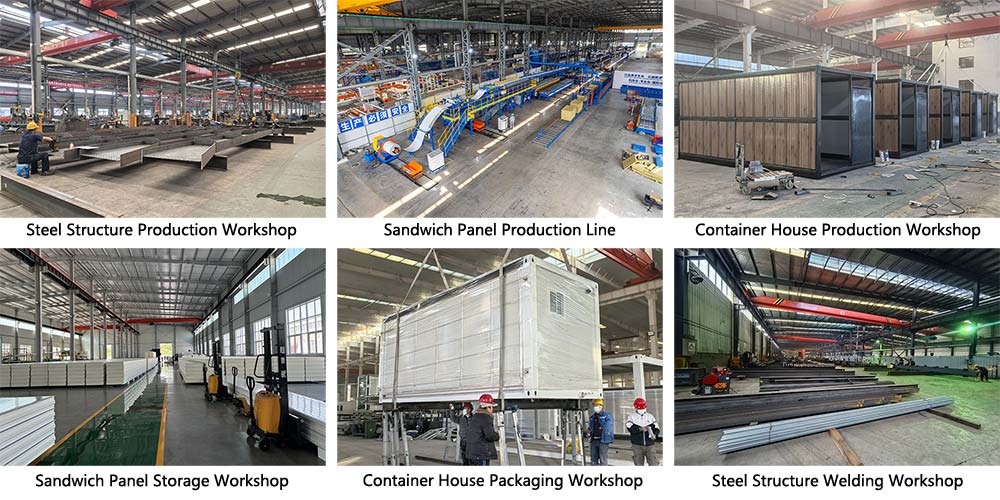
Production Workshop Display
The company has a modern production base of over 8,000 square meters, equipped with a steel structure welding workshop, two Italian‑imported sandwich panel production lines, three complete house production lines and an intelligent assembly system. The annual steel structure capacity reaches 150,000 tons, with a daily output of 3,000 square meters of high‑end sandwich panels and 200 sets of modular houses.
Product Packaging & Shipping
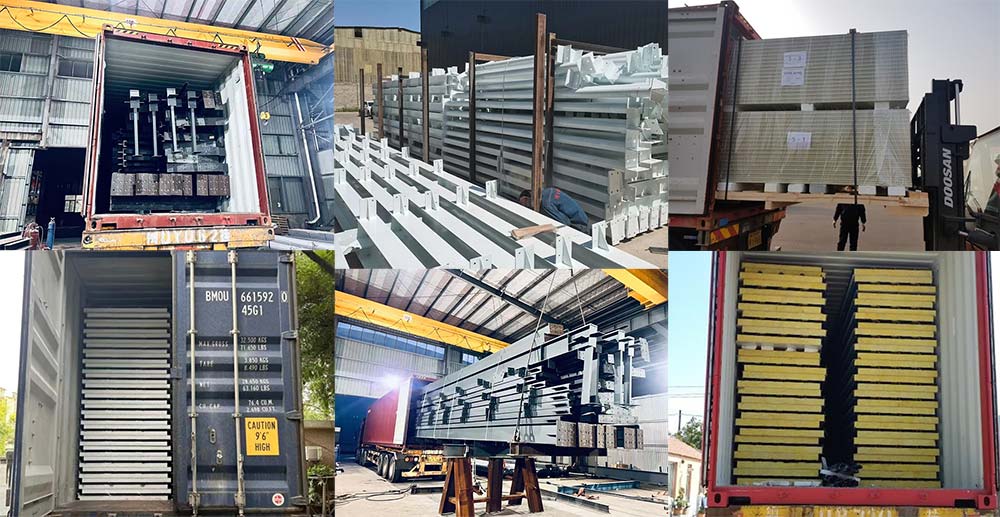
Our packing and shipping services offer customized, robust transportation solutions for every product category, ensuring your goods arrive safely worldwide. Steel structural components are packed with sturdy steel frames, forming stable transport units that effectively withstand the bumps and pressure of long-distance sea and land transport. Sandwich panels and container houses are fully wrapped with high-quality protective films, providing moisture, dust, and scratch protection while fully preserving the coating and appearance of the panels. We have deep expertise in export logistics; from packing methods to container loading, every step is professionally optimized to provide you with a worry-free and reliable delivery experience.
Why Choose Us?
- Compliance guaranteed: Complete international certifications, compatible with national standards, reducing application and acceptance risks.
- Cost controllable: Chinese supply and prefabricated construction result in overall cost savings of 15%-25%.
- Schedule guaranteed: BIM collaboration and factory prefabrication enable rapid production and a competitive market advantage.
- Reliable quality: Export-grade processes and rigorous testing ensure both structural safety and durability meet standards.
Frequently Ask Questions
Design drawings → Quotation → Confirmed drawings → Purchase order → Purchase order confirmation → 30% deposit payment → Production → Quality inspection → Balance payment → Shipment.
This depends on the order quantity and the complexity of the customization. Generally, for regular order quantities, delivery time is within 30 days after receiving the deposit.
Yes, samples can be provided, but customers need to pay for the sample fee and international express shipping.
You are welcome to send inspectors at any time. Inspections can be arranged not only during container loading but also at any time during the production process.
We are a manufacturing plant with over 120 employees and a factory area of over 10,000 square meters, where you can enjoy the best prices and competitive costs.
Yes, we have over 10 design engineers. They can create complete solution drawings based on your needs. Software they use includes: AutoCAD, PKPM, MTS, 3D3S, Tarch, Tekla Structures (Xsteel) V12.0, etc.
RuiSteel is a company that highly values quality. We hold ISO9001, BV, SGS, and FM certifications.
Yes, we will send you relevant information and photos at different stages of your order's production so you can get the latest updates in a timely manner.


Get A Free Quotet